
Jiles Inspections, LLC logo

Service

Sewer Scope Inspection in Metro Atlanta

The sewer line between your house and the city main is your responsibility, and you can't see it without a camera. A sewer scope inspection shows roots, cracks, sags and failing pipe before they become a backup or an expensive excavation.

How our sewer scope inspection works

A standard home inspection checks the plumbing inside the house, but it stops at the foundation. The underground lateral that carries everything to the public sewer or septic tank is out of sight, and in many older metro Atlanta neighborhoods it is decades old. Homes built before the 1970s may have clay pipe with root-prone joints or Orangeburg pipe, an early fiber-based material known to deform and collapse. Mature trees in places like Smyrna, Sandy Springs and Marietta make root intrusion common.

We feed a waterproof camera through an accessible cleanout and record the line from the house toward the main. You receive the video and a written summary of what we saw, including the pipe material, roots, cracks, offsets, sags that hold water and any blockages, along with a recommendation when a licensed plumber should take a closer look.

Benefits

  • See the condition of the main sewer line before you buy
  • Spot root intrusion, cracks and collapsed sections
  • Avoid surprise repair bills after closing
  • Negotiate with video evidence

Why it matters

Replacing a sewer lateral can cost thousands of dollars and tear up a yard or driveway. A short camera inspection tells you whether that risk is real before you own it.
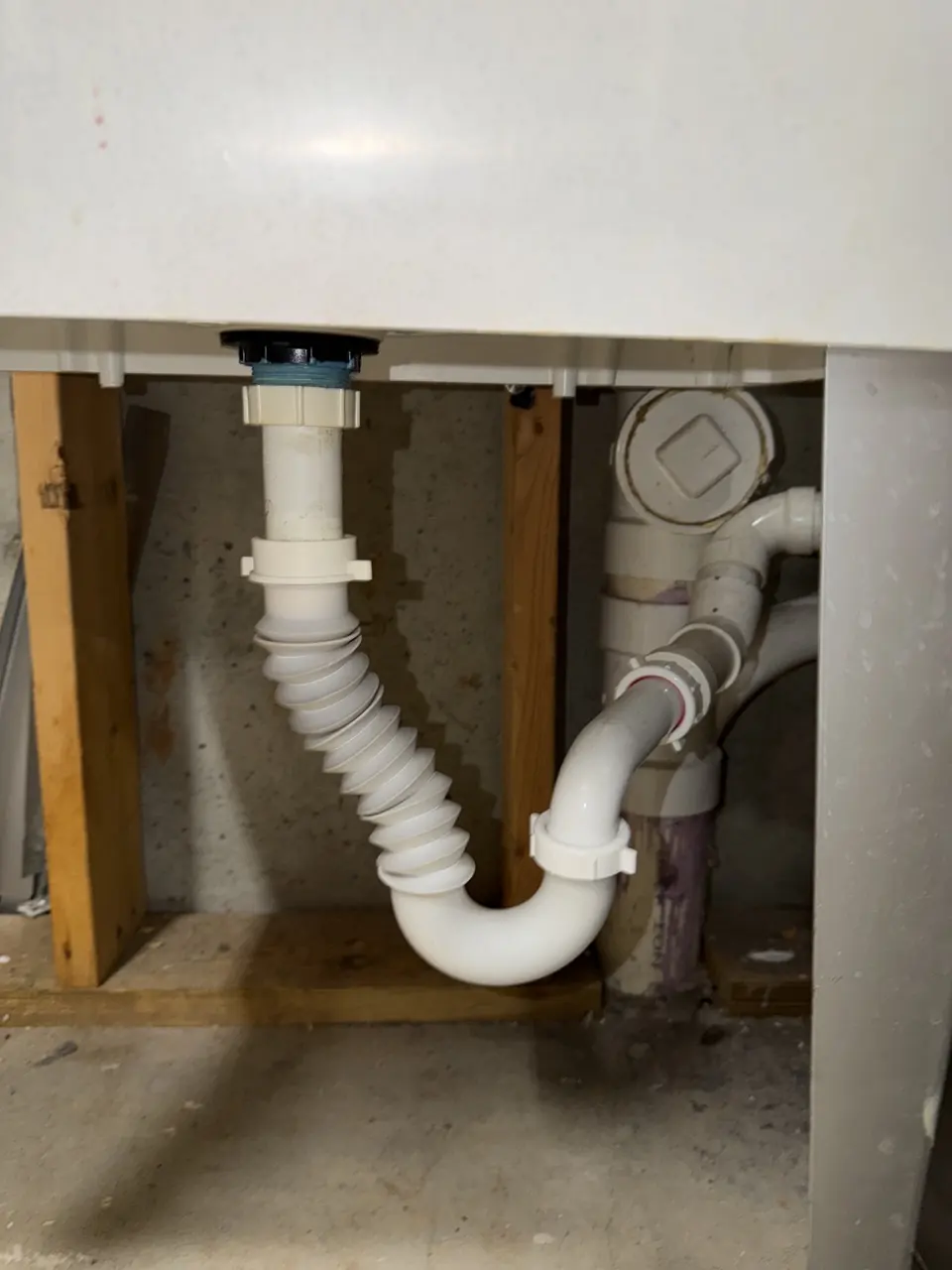
Bathroom sink drain using a corrugated flexible pipe as the P-trap
Flexible drain pipe: corrugated tubing used as a trap catches debris and is not an approved trap arm.

Who it's for

Who this service is for

Buyers of homes that are about 30 years old or older, homes with large trees near the sewer line, homes with slow drains or a history of backups, and vacant or flipped homes where nobody can tell you the line's history. In older metro Atlanta neighborhoods such as parts of Smyrna, Sandy Springs and Marietta, it is one of the most valuable add-ons you can choose.

What to expect

How it works, step by step

  1. 1

    Confirm there is an accessible cleanout

    We need a cleanout to run the camera. If there isn't one, we will explain your options.

  2. 2

    Run the camera

    A waterproof camera travels through the line from the house toward the public main or septic tank while we watch and record.

  3. 3

    Review the footage

    We note the pipe material, roots, cracks, offsets, sags that hold water and any blockages.

  4. 4

    Get the video and summary

    You receive the recording and a written summary, with a recommendation when a licensed plumber should evaluate a repair.

Sewer Scope Inspection FAQs

Which homes need a sewer scope?

We recommend it for most homes older than about 30 years, any home with large trees near the line, homes with a history of slow drains or backups, and vacant or flipped homes where the line's history is unknown.

What if there's no accessible cleanout?

We need an accessible cleanout to run the camera. If there isn't one, we'll explain the options, which may include having a plumber install a cleanout first.

Do you scope septic systems?

A sewer scope follows the line toward the main or the tank. A full septic system inspection, including pumping and evaluating the tank and drain field, should be done by a licensed septic contractor.

Sewer Scope Inspection across metro Atlanta

Helpful guides

Related services

Schedule Today

Protect your investment with Atlanta's most thorough inspection.

Same-week availability across Metro Atlanta. Reports delivered in 24 hours. Real answers, in plain English.

Call Now Book Inspection