

The quick answer
A pre-listing inspection helps sellers by revealing problems before a buyer's inspector does. That gives you time to fix issues with your own contractors at your own price, set a realistic asking price, support an accurate disclosure and avoid the last-minute renegotiations that derail closings. In short, it moves the surprises to a point where you are in control.
How a sale plays out without one
Most metro Atlanta purchase contracts use the Georgia REALTORS forms, which give buyers a due diligence period. During that window, buyers order their inspection and can ask for repairs, ask for a lower price or, in many cases, walk away. Your agent can explain the exact terms of your contract, but the practical reality is the same in almost every deal: the buyer's inspection report becomes the script for the negotiation.
Picture it from the seller's side. You accepted an offer, you may already be shopping for your next home, and then a report arrives listing a roof near the end of its life, a double-tapped breaker and moisture in the crawlspace. You have a few days to respond. Contractors are hard to get on short notice, the buyer is nervous and every item feels bigger than it is. Sellers in that position often agree to credits that cost far more than the repairs would have.
Six ways a pre-listing inspection helps
- You control the timing. You find out about problems weeks before listing instead of in the middle of a contract deadline.
- You choose the contractors and the price. Repairs done on your schedule with competitive bids cost less than credits negotiated under pressure.
- You price the home accurately. If the roof or HVAC is near the end of its life, you can factor that into the list price instead of losing it in a renegotiation.
- You strengthen your disclosure. Knowing the home's condition helps you complete the seller's disclosure accurately with your agent's guidance.
- You build buyer confidence. Sharing a recent report, along with receipts for completed repairs, signals transparency and reduces a buyer's perceived risk.
- You reduce the chance of a failed contract. Fewer surprises means fewer buyers walking away and fewer relistings.
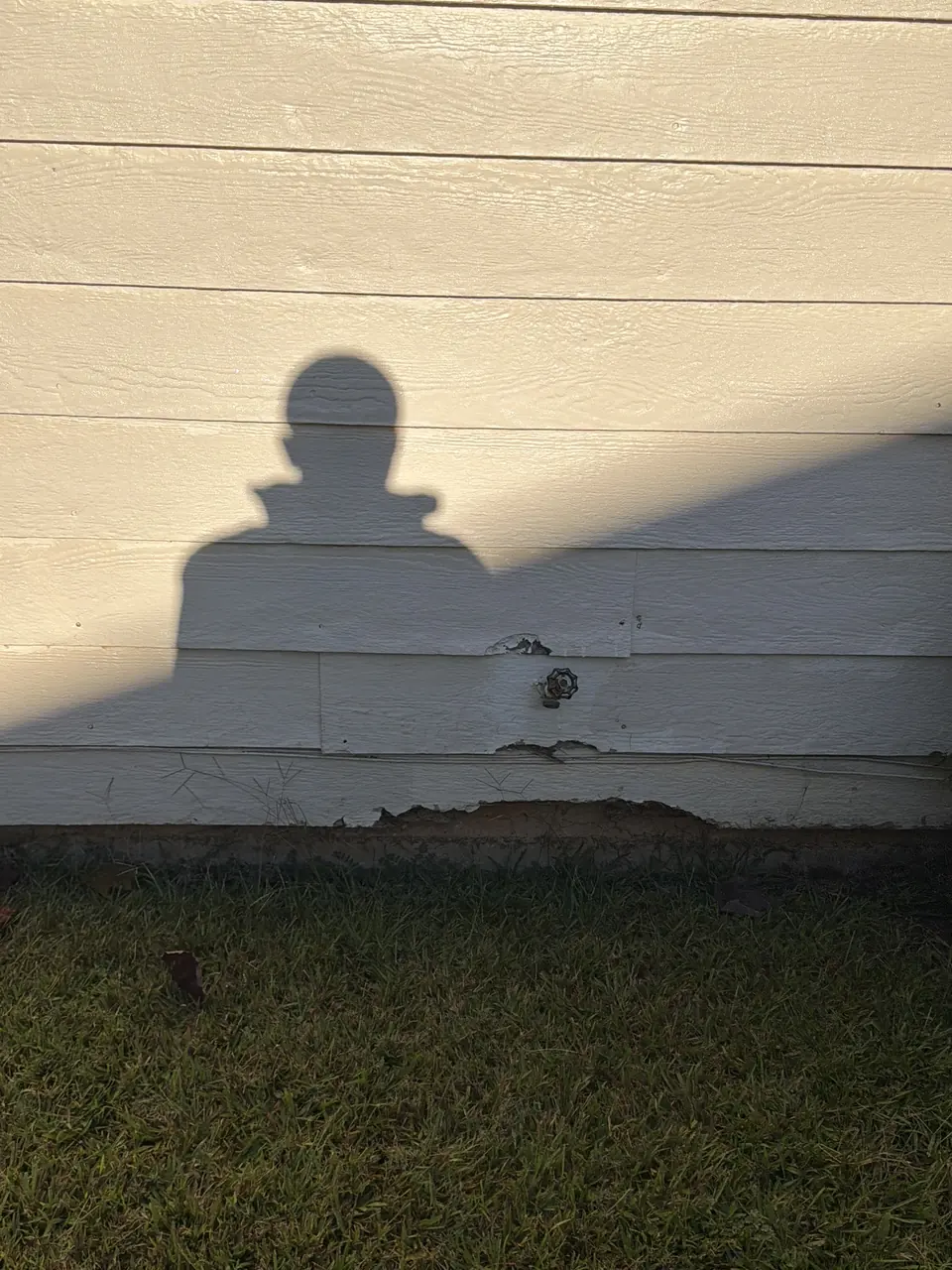
Damage like the opening in this siding is a perfect example. It is an inexpensive repair before listing. In a buyer's report, it reads as a possible water and pest entry point and invites questions about what is behind the wall.
What to fix and what to price in
Not every finding needs a repair. A good rule is to fix the inexpensive items that look alarming on paper and make a clear decision about the expensive ones.
| Usually worth fixing before listing | Often better to price in or disclose |
|---|---|
| Missing GFCI protection and smoke alarms | A roof with a few years of life left |
| Small plumbing leaks and loose fixtures | An older but working HVAC system |
| Wood rot at trim, missing caulk and sealant | Original windows that still operate |
| Short downspouts and clogged gutters | Cosmetic wear on floors and finishes |
| Double-tapped breakers and simple electrical corrections | Large projects buyers may want to choose themselves |
| HVAC service and a new filter | Older plumbing materials, with a plumber's quote in hand |
For the bigger items, a written quote from a contractor is valuable. It turns an open-ended worry into a known number, which keeps negotiations calm. Our list of common problems found during inspections is a good preview of what a buyer's report is likely to mention.
Common seller concerns
"Won't I have to disclose everything you find?"
In Georgia, sellers generally may not hide known material defects, and most listings include a seller's property disclosure statement. A pre-listing inspection doesn't create problems. It identifies ones that already exist, which a buyer's inspector would very likely find anyway. Knowing them first lets you fix, price or explain them on your terms. Talk with your agent or a real estate attorney about exactly what to disclose.
"The buyer will hire their own inspector anyway."
Most will, and that is fine. The goal isn't to replace the buyer's inspection. It is to make sure their report contains very few surprises, which keeps due diligence short and the negotiation focused.
"Is it worth the cost?"
A pre-listing inspection usually costs about the same as a buyers inspection. One avoided credit on a single item, like a roof repair or an electrical correction, often covers it. The less measurable benefit is a smoother closing with less stress.
When to schedule and what to add
Book your pre-listing inspection two to four weeks before you plan to list. That leaves time to receive the report, gather quotes and finish quick repairs without pushing back your listing date. For older homes, consider adding a sewer scope, since sewer line problems are expensive and buyers increasingly ask about them. In Cobb, Fulton, DeKalb and Gwinnett counties, a radon test can also answer a question buyers are likely to raise.
We inspect homes for sellers across metro Atlanta, including many older homes in Mableton and Smyrna where a little preparation goes a long way. Call or text (678) 558-4222 to plan your inspection around your listing date.