

The quick answer
The most important first-time buyer inspection tips are simple: book the inspection the day your offer is accepted, choose a certified inspector rather than the cheapest one, attend the inspection in person, ask questions about anything you don't understand and use the report to negotiate only the items that really matter. Then keep the report as your maintenance plan for the first few years in the home.
Many of our Google reviews come from first-time buyers, and they tend to mention the same thing: they didn't know what to expect, and they were glad someone took the time to explain it. This guide is that explanation, written down.
Before the inspection
Book it the day your offer is accepted
Most metro Atlanta contracts give buyers a due diligence period, often 7 to 14 days. Inside that window you need the inspection, the report, any specialist follow-ups and the repair negotiation. Booking within 24 to 48 hours of acceptance leaves room for all of it. Waiting even a few days can force rushed decisions.
Choose your inspector carefully
Georgia doesn't currently license home inspectors at the state level, so certification and reputation matter even more. Look for:
- A national certification such as InterNACHI Certified Professional Inspector, with a member ID you can verify
- Proof of insurance
- A sample report that is clear, photo-rich and easy to read on a phone
- Modern tools such as infrared imaging and a drone for steep roofs
- Recent reviews that mention patience and communication, not just speed
Decide on add-ons up front
Some tests take time, so decide early. Radon testing runs at least 48 hours. A sewer scope is worth adding for older homes or homes with big trees. A mold inspection makes sense if the home has a musty smell or a history of leaks.
During the inspection
A full inspection usually takes 2.5 to 4 hours. You don't have to follow the inspector the entire time, but try to be there for the last hour. That is when we walk through the home together, show you the most important findings in person and answer questions. It is also the best time to learn how your future home works:
- Where the main water shutoff is and how to close it
- Where the electrical panel is and how the breakers are labeled
- Where the HVAC filter goes and what size it takes
- Where the gas shutoff is, if the home has gas
- How to test and reset GFCI outlets
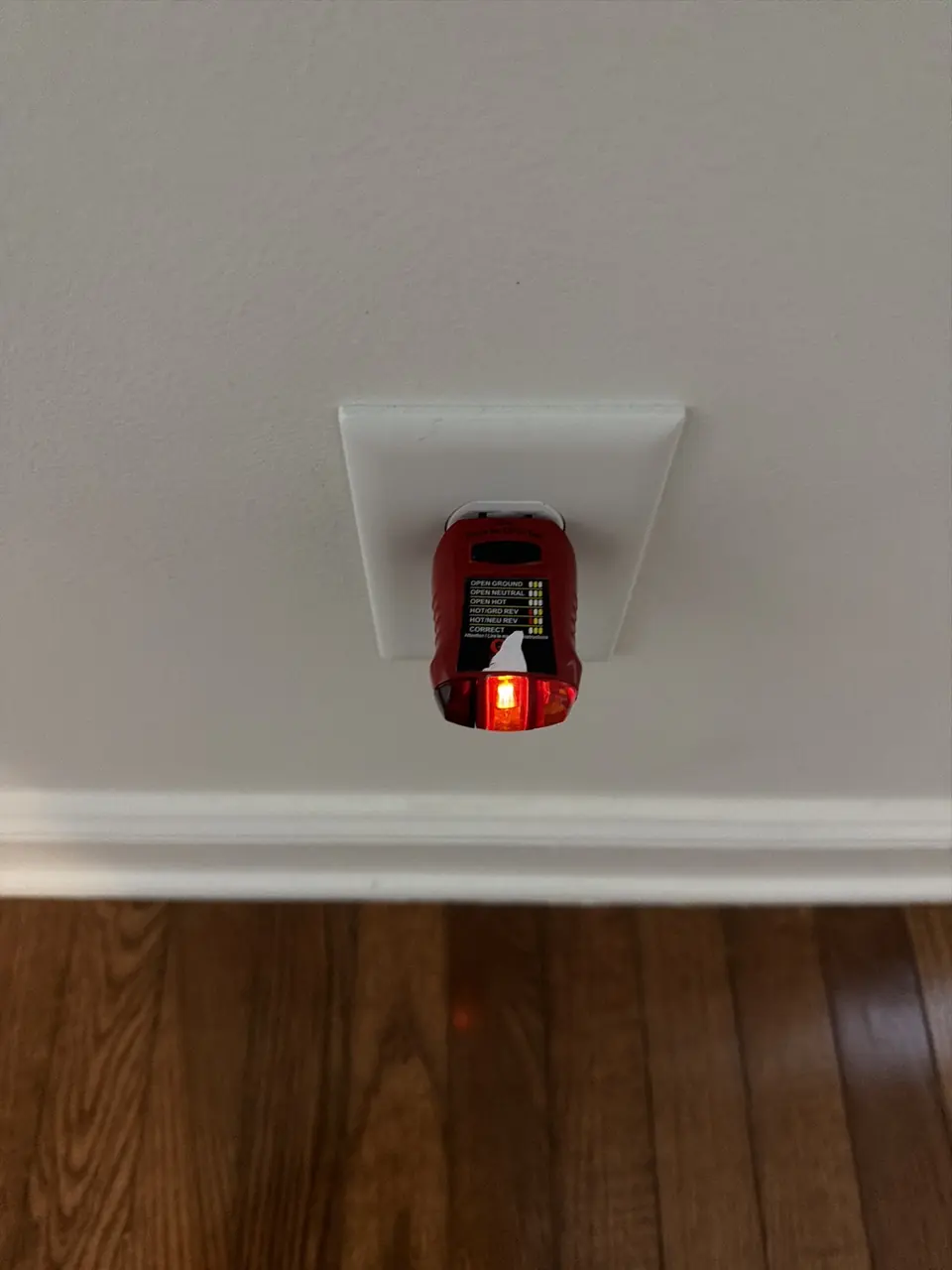
Small checks like this outlet test happen throughout the house. Ask your inspector to show you a few of them. You will learn how your home's safety devices work and what to watch for later.
Ten questions worth asking your inspector
- Which findings would you fix first if this were your home?
- Is anything here a safety concern for my family right now?
- How old are the roof, HVAC system and water heater, and how long might they last?
- Did you see any signs of active water problems?
- Is there anything you couldn't access or inspect, and why?
- Which items should a licensed specialist evaluate before my due diligence ends?
- Are there any older materials in this house I should know about?
- Does the grading and drainage look adequate?
- What maintenance should I plan for in the first year?
- Can I call you with questions after I read the report?
The answer to the last one should always be yes.
Reading the report without panicking
Your report may list dozens of items, and that is normal. Every house has findings, including brand-new ones. Start with the summary at the top, which pulls out the most important items. Then sort what you read into safety concerns, active water problems, major systems near the end of their life and routine maintenance. Most items fall into the last group.
Using the report to negotiate
Work with your agent, and keep these principles in mind:
- Focus on the important items. Safety issues, active leaks and major system failures carry weight. Cosmetic items and routine maintenance usually don't belong in a repair request.
- Get quotes for big items. A contractor's written estimate turns a vague concern into a number you can negotiate.
- Consider credits instead of repairs. A credit at closing lets you hire your own contractors and control the quality of the work.
- Watch your deadline. Everything needs to be agreed before your due diligence period ends.
For a deeper look at the findings that most often change deals, read what can fail a home inspection.
Mistakes first-time buyers make
- Skipping the inspection on a new build. New homes have defects too. A new construction inspection catches them while the builder still has to fix them.
- Choosing on price alone. A rushed inspection that misses a roof or panel problem is the most expensive one you can buy.
- Not attending. The walkthrough is where the report comes to life.
- Waiting to schedule. A late inspection leaves no time for specialists or negotiation.
- Skipping radon and sewer checks. Both are invisible during a showing and both can be expensive later.
After you get the keys
Keep the report. It is a room by room record of your home's condition and a ready-made maintenance list. In the first month, change the locks, test the smoke and carbon monoxide alarms, replace the HVAC filter, label any unlabeled breakers and find every shutoff. In the first year, work through the maintenance items in the report and schedule HVAC service before summer.
Our buyers home inspection starts at $425 for homes up to 3,000 square feet and includes infrared imaging, drone roof photos and a free termite inspection. Many services can be paid at closing, which helps first-time buyers with cash flow. Call or text (678) 558-4222 with any questions. There is no such thing as a silly one.