
The quick answer
A commercial property inspection is a visual evaluation of a business building's major systems: the roof and drainage, the building envelope, visible structure, electrical service and distribution, plumbing, heating and cooling equipment, interior spaces and visible life safety items. The report documents condition with photos and flags safety items and likely near-term repair costs, so a buyer, investor or tenant can make a decision with real information instead of a walkthrough and a guess.
Who needs a commercial inspection
- Buyers and investors purchasing office, retail, restaurant, small multi-family or light industrial buildings.
- Tenants signing long leases, especially leases that make the tenant responsible for the roof, HVAC or other building systems. Many commercial leases shift those costs to the tenant, so it pays to know what you are signing up for.
- Owners planning capital budgets, who want a clear picture of what will need attention in the next few years.
We inspect commercial properties across metro Atlanta, including office and retail buildings in Marietta and the rest of Cobb County, Sandy Springs and the Perimeter area, and Cumming and Forsyth County along the GA 400 corridor.
What a commercial inspection covers
Roof and drainage
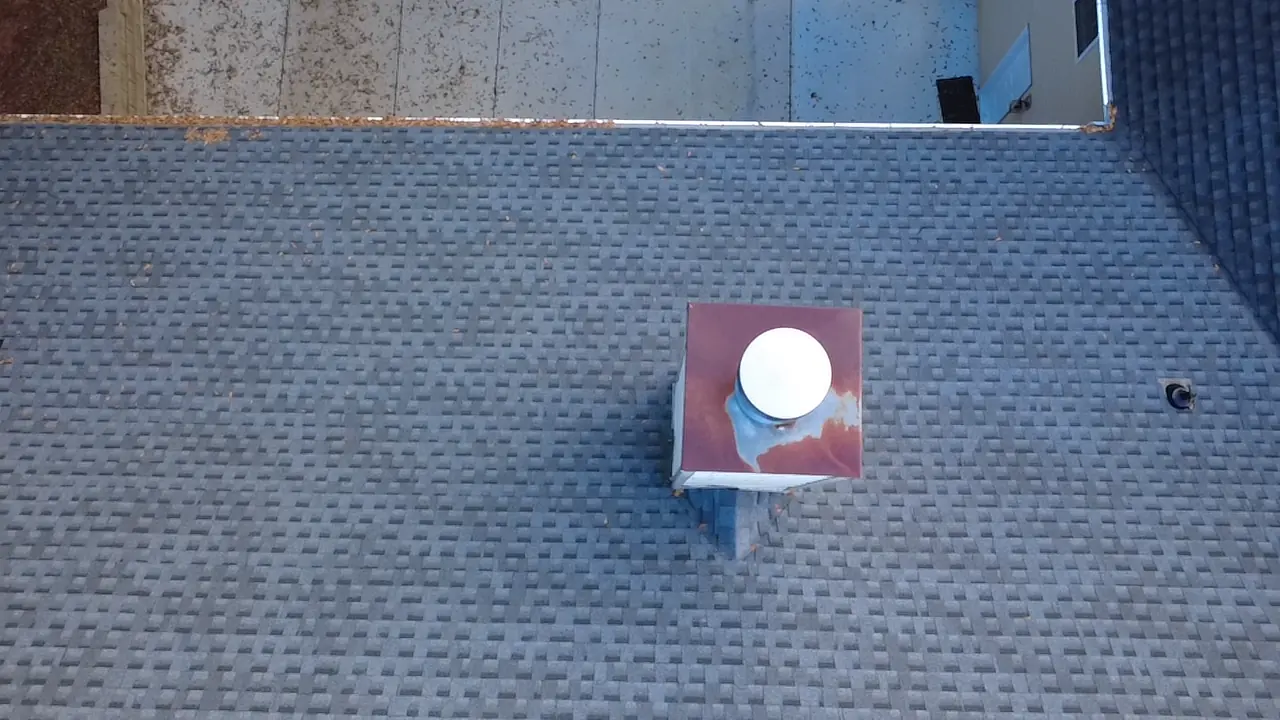
Many commercial buildings have low-slope roofs with membrane or built-up coverings. We look for ponding water, blisters, open seams, failing flashing at walls and curbs, and clogged drains and scuppers. Drone imaging lets us document large or hard-to-reach roofs safely, and rooftop equipment is photographed from every side.
Building envelope
Masonry, siding, storefront glass, windows, doors and sealant joints keep water out. Cracks, missing sealant and damaged flashing are where leaks and interior damage begin, so the envelope gets a close look on every side we can reach.
Structure
We note visible signs of movement or damage, such as cracked foundations, displaced masonry, sagging framing and water-damaged structural members, and we recommend a structural engineer when what we see calls for one.
Electrical
We evaluate the visible service equipment, panels and distribution, look for overheating, missing covers, amateur work and damaged wiring, and use infrared imaging where it helps spot hot connections.
Plumbing
Supply and drain piping where visible, water heaters, fixtures in restrooms and break areas, and signs of leaks or past water damage. For older buildings, a sewer scope of the main line can be added.
Heating and cooling
Rooftop units, split systems and other equipment are inspected for condition and operation where safely accessible. We record ages from data plates when they are readable, since equipment age drives replacement budgets more than almost anything else.
Interiors, site and life safety observations
Ceilings, walls, floors and doors in accessible spaces, plus parking areas, site drainage and visible items such as exit signs, emergency lighting and fire extinguishers. These are observations, not a code compliance review.
Common commercial findings in metro Atlanta
Every building is different, but these items come up again and again on commercial inspections here:
- Ponding and clogged roof drains on low-slope roofs, which shorten membrane life and lead to interior leaks.
- Aging rooftop HVAC units, often several of different ages on the same building, each with its own replacement timeline.
- Failed sealant at storefronts and windows, where Georgia heat and storms break down caulk faster than owners expect.
- Missing GFCI protection in restrooms, break rooms and kitchens, plus loose or damaged electrical covers.
- Water heater venting and relief valve issues in utility closets that rarely get looked at.
- Site drainage and trip hazards, such as heaved sidewalks, ponding in parking areas and downspouts that empty onto walkways.
None of these is unusual, but each has a cost. Seeing them in one report, with photos and a clear priority, is what turns a walkthrough into a decision you can negotiate around.
What it doesn't cover
A commercial inspection is broad, but some evaluations belong to specialists:
- Environmental reviews, such as a Phase I environmental site assessment, which lenders often require.
- Formal lender property condition assessments performed to the ASTM E2018 standard. If your lender requires one, tell us up front so we can confirm whether our scope fits or point you to the right firm.
- Code and accessibility compliance audits.
- Fire sprinkler, alarm and elevator certifications, which require licensed specialists.
Commercial vs home inspection
| Topic | Home inspection | Commercial inspection |
|---|---|---|
| Scope | Set by the InterNACHI residential Standards of Practice | Scoped to the building and the client's goals |
| Roofs | Mostly sloped shingle roofs | Often low-slope membranes with rooftop equipment |
| Systems | One or two HVAC systems, residential electrical | Multiple units, larger services, shared tenant systems |
| Access | Seller or agent provides entry | Coordinated with brokers, managers and tenants |
| Pricing | Fixed packages by size | Quoted individually |
How to prepare and what it costs
- Arrange access to the roof, mechanical and electrical rooms and every tenant space, with notice for occupied suites.
- Gather documents such as roof warranties, HVAC service records, past repair invoices and any prior reports.
- Share your timeline, especially your due diligence or lease signing deadline.
Because commercial buildings vary so much in size and use, every commercial inspection is quoted individually, and we confirm the on-site time and report turnaround when we quote. For very large or complex roofs, a dedicated roof inspection can be added. Call or text (678) 558-4222 with the address, size and use of the building to get started.